Promotive Engineering

Porsche Motorsport Preparation Brisbane

  • About
  • Projects and Updates
  • Shop
  • Contact Us

Reverse Engineering with Ease (Relatively speaking)

September 10, 2016 by Promotive

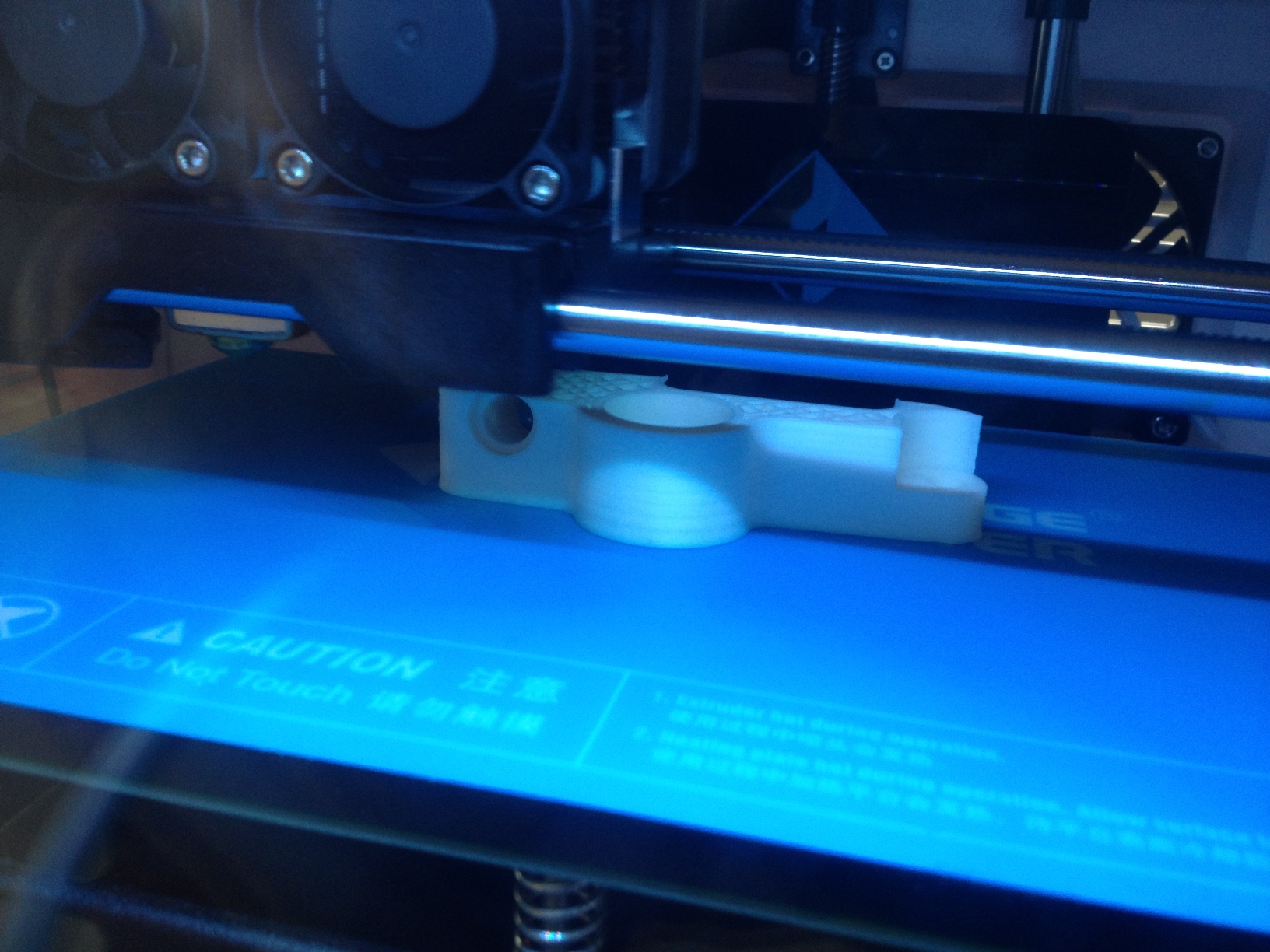
The 3D printer has been fantastic for prototyping and checking CAD parts before I send them to the CNC for production.   It has saved countless hours on designing parts like the roller tip rockers for the Lycoming engine.  Changing motion ratios and optimising the tip geometry couldn’t have been done easily or as quickly any other way without a complete and accurate 3D model of the cylinder and other critical parts.

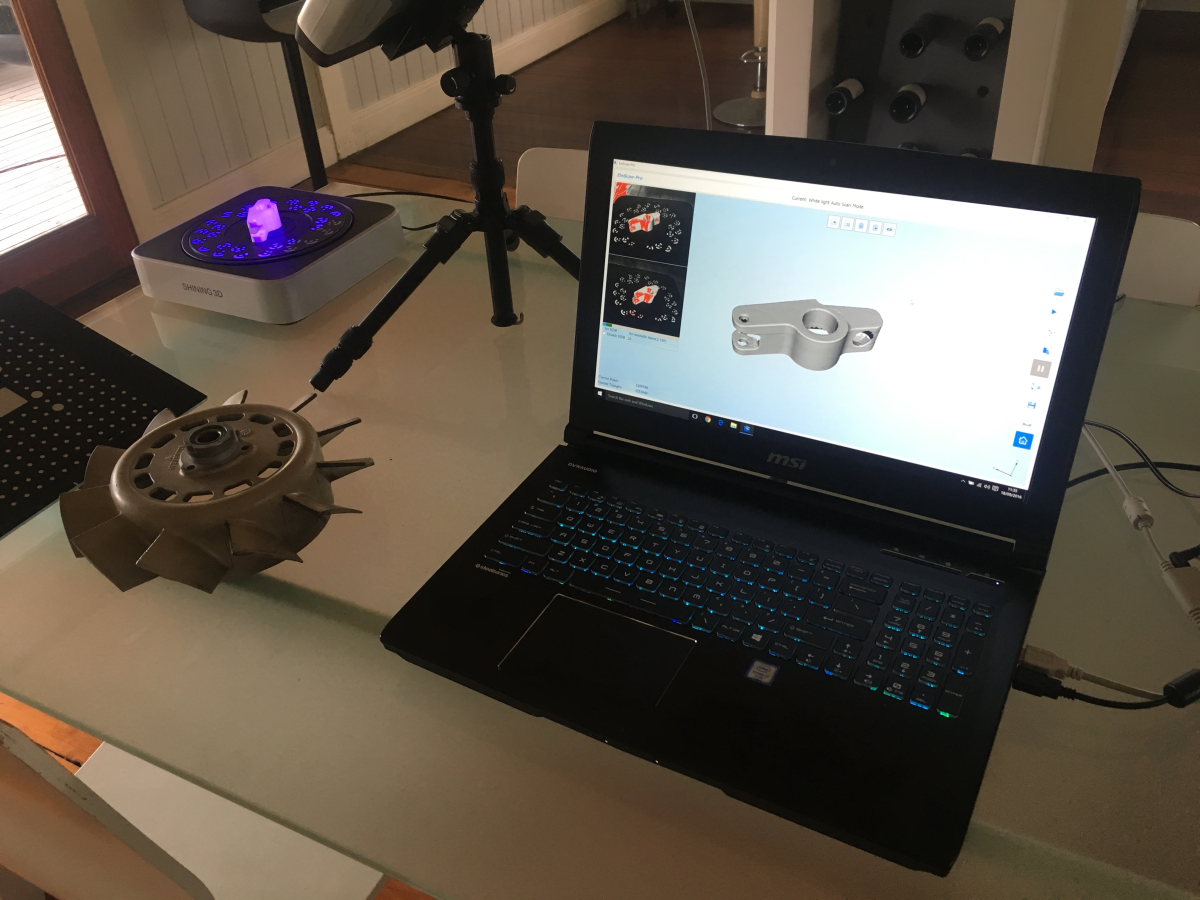
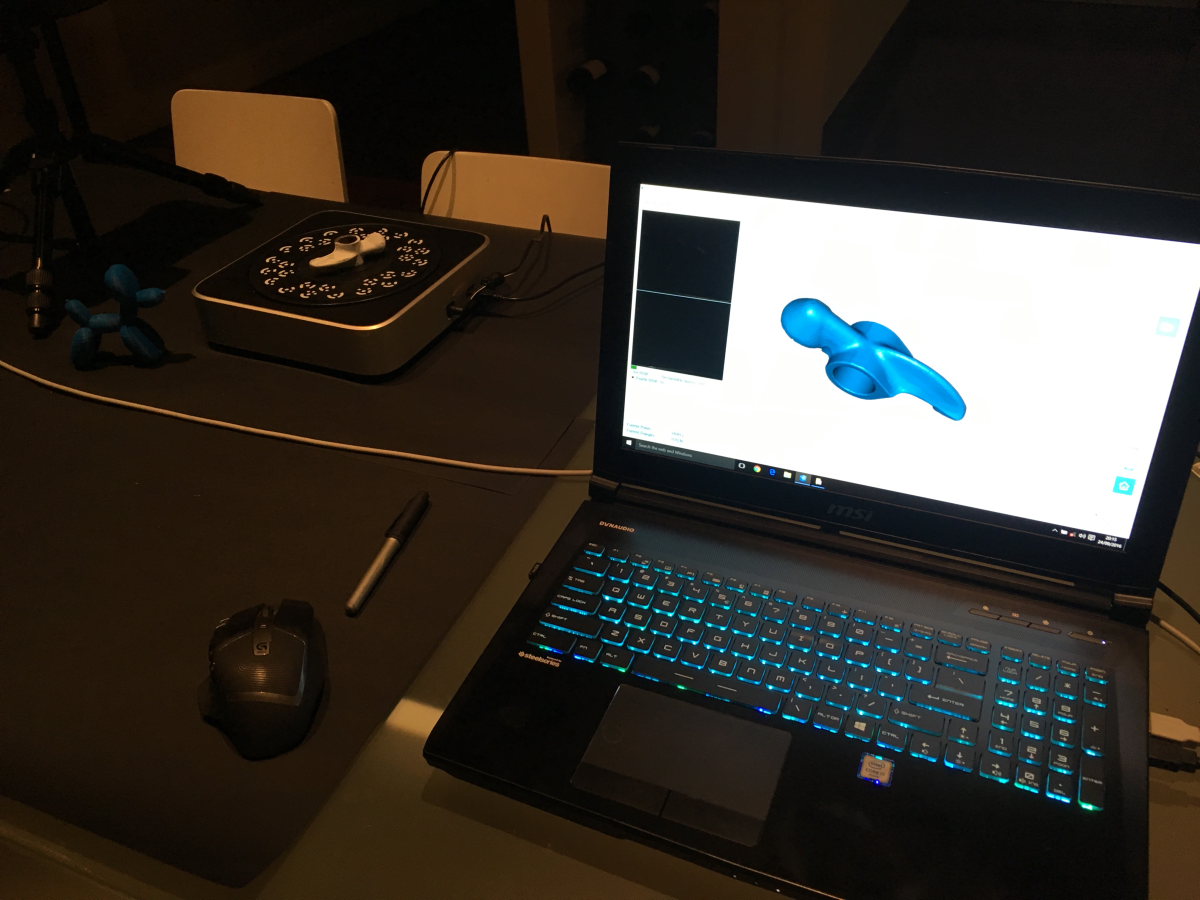
The parts still needed to be created on CAD with no accurate reference to the original part.  Until now!  Parts like the standard Lycoming rocker couldn’t easily be measured with my digitising probe or the camera loaded into the CNC so I have been exploring other options…
lycoming-rockerlycoming-roller-tip


Metrology grade 3D scanning can easily be outsourced these days but the time and cost of relying on other companies is just painful – I haven’t had much luck with either!  After a bit of research and a few trials I settled on a fairly new release to the market which on specification seemed to fit my requirement nicely.

I haven’t had a huge amount of time to play with the scanner yet but the first results seem really promising, especially with the automated turntable.  I scanned in the standard Lycoming rocker to see the quality of the model which made measuring the standard angles and dimensions really easy.  As a test, I also scanned in one of my 3D printed roller tip rockers.  I sent the resulting model to the printer to compare the scanned model with the original and amazingly, there were no real differences that could be measured with a vernier caliper!   Pretty impressed with that!  The advertised resolution drops off when scanning larger parts like body panels but I haven’t tried that yet.
911-head

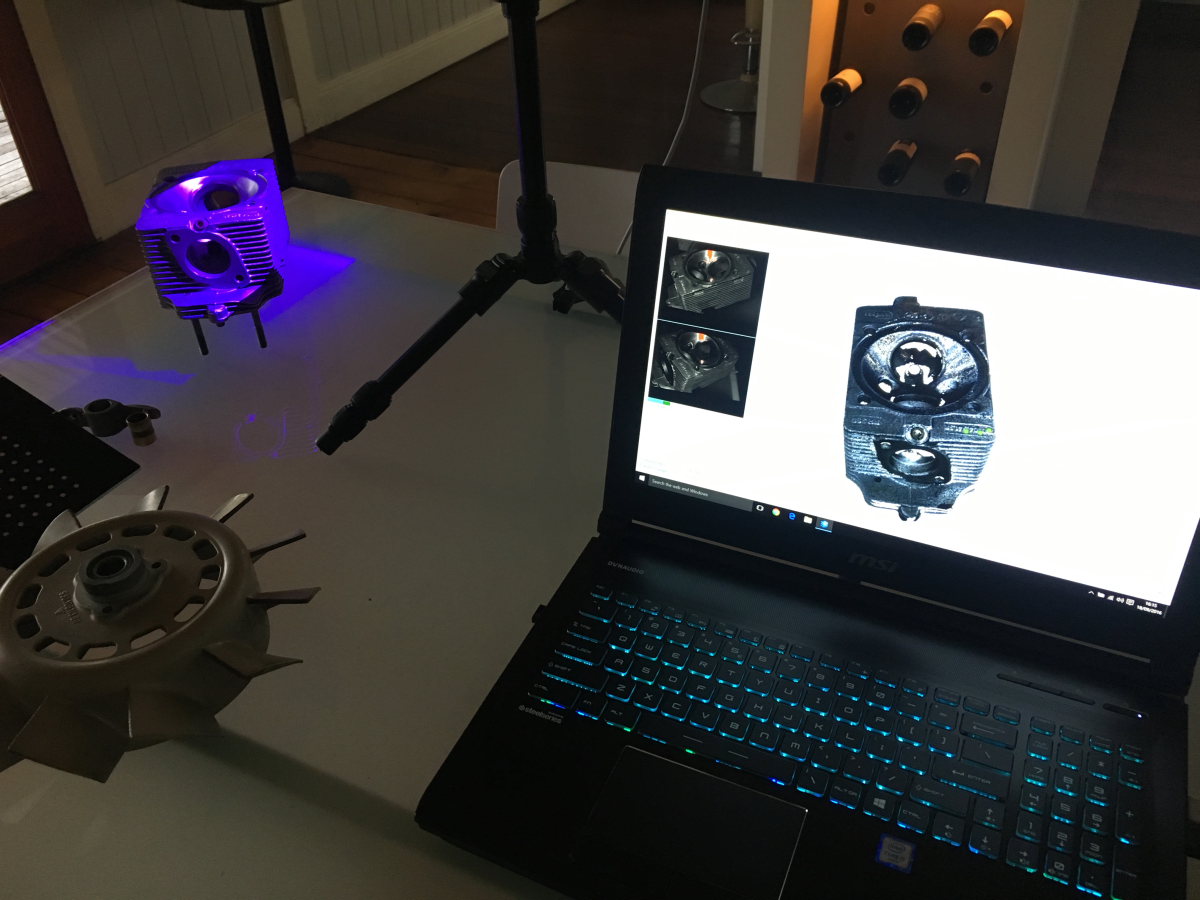
I tried a twin plug 911 head that was lying around to see if my dreams of easily making a billet head were going to come true, but it seems there isn’t a lazy option with the complex geometries.  The resolution is amazing with the texture camera.  You can see every little surface mark, but I really need spend a bit more time with the scanning technique.  It looks a lot easier in the sales video!  What they don’t also tell you in the sales video is that after the initial purchase, you need to spend the equivalent cost of a car again on yet more software to make it easier to create the solid model from the scanned model so the scan is useful for actual reverse engineering.  Otherwise it is only really good for making high resolution bobbleheads and simple changes to existing parts.

I know there are a few motorsport teams that are using this scanner now so it will be interesting to see how it works out for me!
 

Filed Under: Products, Workshop Tagged With: 3D printing, 3D scanner, Fabrication, Technology

3D printing – A waste of time?

February 27, 2015 by Promotive

3D printing prototype

Well, I don’t feel so special now.  I was so happy with my little 3D printer and then Monash University go and print something close to my heart – a working jet engine!  (link here)  Damn – that makes my printer look like a dinky toy.  Oh that’s right – it is!

I have been pretty sceptical that cheap 3D printers are even slightly useful.  That is until I ordered one out of frustration.

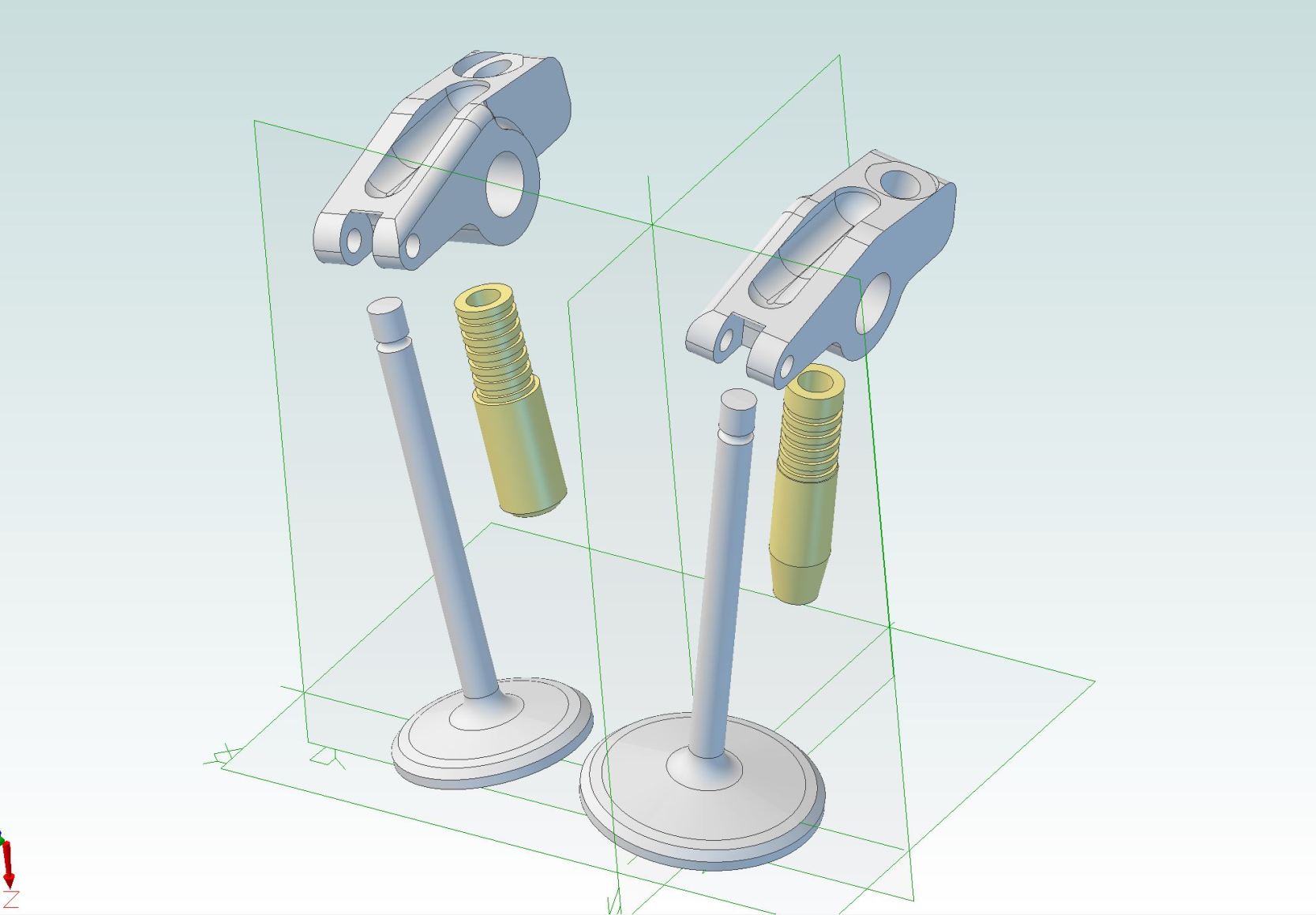
A while ago I decided it would be a good idea to modernise my mighty Lycoming 540 engine for the aerobatic plane to give it a bit more vertical penetration.  That included Motec M1 engine management, tuned length manifolds and exhaust, custom pistons and cam etc.  To really complicate the project – I thought it would be a good idea to totally redesign the valvetrain.  Just because I can doesn’t mean I should!

Lycoming roller rocker drivetrain

The CAD design was obviously the easy part and a lot of fun trying to optimise such an archaic design.  It didn’t take long to draw up some roller rockers, solid lifters, tapered pushrods, valves and guides etc.  The problems started when it came to validating the design.  There is no substitute for a working prototype to test the geometry but trying to find a spare moment to fire up the CNC to make a test rocker pushed the project onto the backburner for way, way too long.  Heck – I was getting worried that the earth was going to run out of fuel before I found the time.

Enter the 3D printer…

I am really flabbergasted how much time it has saved.  Quite frankly, I feel a bit silly that I didn’t already have one!  Within fifteen minutes of it arriving, it was printing prototype number one.  Within that first day it had printed the prototype number five, the final rocker which allowed me to get the valves and guides ordered.  No wasted time trying to work out how to hold a billet of aluminium in the CNC, no swarf, no mess, and no time wasted when I could be working on customer cars. Lycoming rocker It also saved me from ordering the wrong length valve due to a measurement probe offset error that I probably wouldn’t have picked up if I didn’t have a little plastic printed valve to compare to a Lycoming factory one.  That error would have cost me more than the printer and put me in a really bad mood for a really long time.

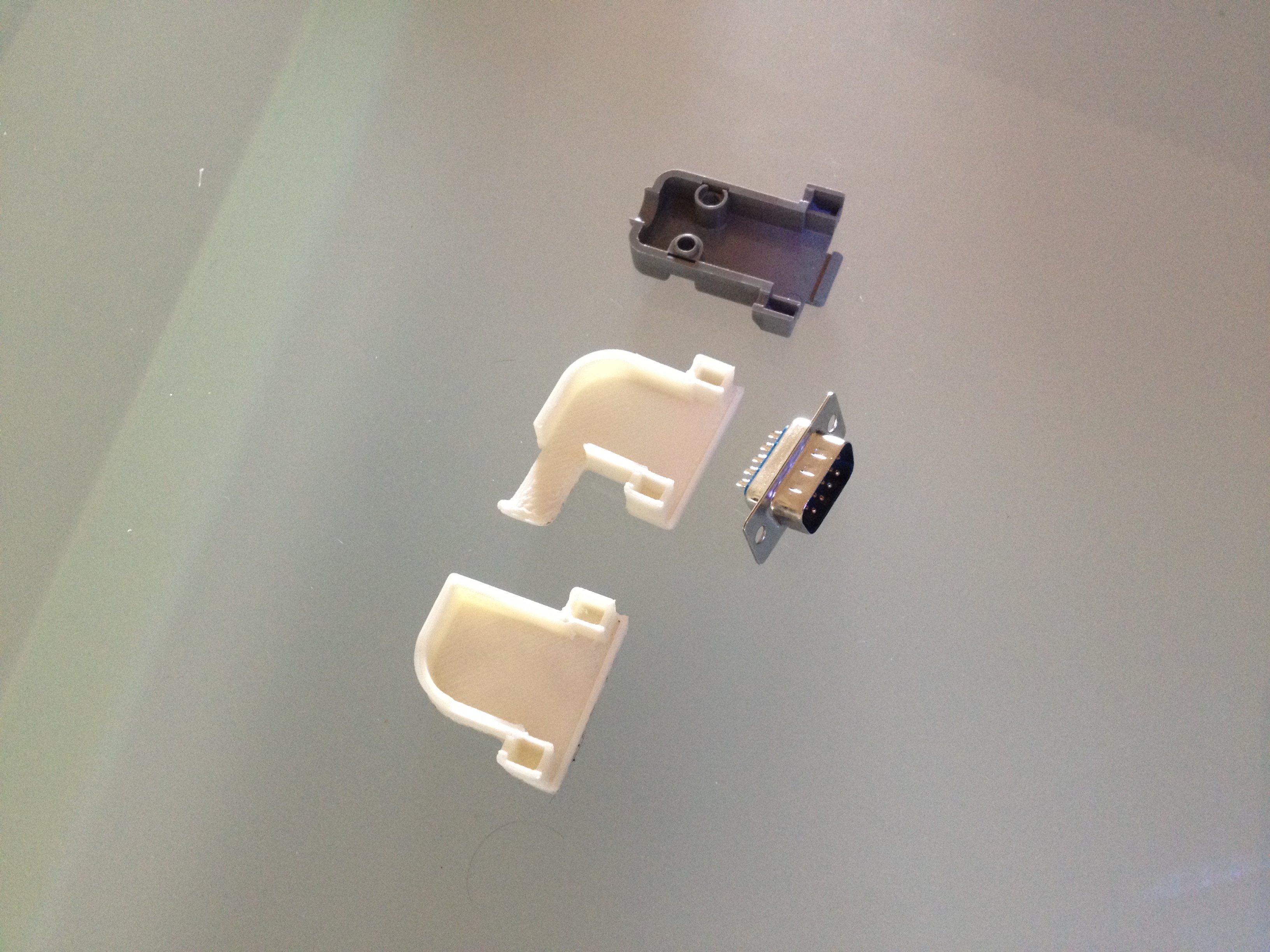
I think this printer and I are going to get along just fine.  I needed a 90 degree backshell for a wiring loom I was making yesterday.  I couldn’t find one commercially available.  No problem.  It didn’t take long to whip up a drawing and send it to the printer.  The result was printed in ABS plastic which is the same material as the one that came with the plug.3D backshell

Now I just need a 3D scanner so I can make a bobble head to stick on the dash of my car…

Oh, and now I need to find the time to go and make the optimised roller rockers on the CNC.


Filed Under: Uncategorized Tagged With: 3D printing

  • About
  • Projects and Updates
  • Shop
  • Contact Us

Copyright © 2025 · Parallax Pro Theme on Genesis Framework · WordPress · Log in